


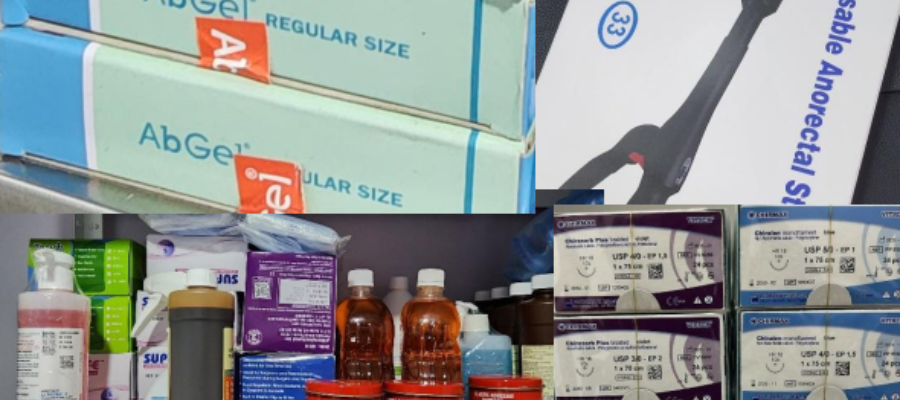
In the complex ecosystem of a healthcare facility, the smallest items often carry the heaviest responsibility. While high-tech diagnostic machinery and surgical robotics capture the headlines, the frontline of patient safety is built on consumables. From gloves and syringes to drapes and cleaning wipes, high-quality hospital consumables are the unsung heroes of effective infection control.
The stakes of infection prevention could not be higher. Healthcare-Associated Infections (HAIs) remain a leading cause of morbidity and mortality globally, extending hospital stays and driving up healthcare costs. Quality consumables serve as the primary physical barrier between pathogens and patients, making their reliability a non-negotiable standard for any modern medical institution.
The first line of defence is material integrity. Inexpensive, low-quality consumables often suffer from manufacturing inconsistencies, such as micro-perforations in surgical gloves or brittle plastic in IV connectors. These defects create invisible gateways for bacteria and viruses. High-quality products, conversely, undergo rigorous testing to ensure they meet international safety standards, providing clinicians with the confidence that their barrier protection will not fail during critical procedures.
Furthermore, the design of premium consumables often incorporates advanced technology specifically aimed at reducing human error. For example, high-quality safety needles and needleless connectors are engineered to minimize the risk of sharps injuries and accidental contamination. Similarly, superior medical-grade disinfectants and wipes are formulated to achieve broad-spectrum kill claims with shorter contact times, ensuring surfaces are truly sterile even in fast-paced clinical environments.
Precision and compatibility also play vital roles. Poorly manufactured consumables may not fit perfectly with existing medical equipment, leading to leaks or malfunctions that expose the clinical environment to biohazards. Investing in high-quality, standardized supplies ensures seamless integration across departments, reducing the risk of cross-contamination and improving overall workflow efficiency.
Beyond patient outcomes, the economic argument for quality is compelling. While the upfront cost of premium consumables may be higher, the long-term savings are significant. By reducing the incidence of HAIs, hospitals avoid the massive costs associated with extended treatments, readmissions, and potential legal liabilities. Quality supplies also tend to have lower failure rates, meaning less waste and more predictable inventory management.
Ultimately, the choice of hospital consumables is a reflection of a facility’s commitment to patient care. By prioritizing high-quality supplies, healthcare providers are not just buying products; they are investing in a culture of safety. In the fight against infection, there is no room for compromise. High-quality consumables provide the reliability, protection, and peace of mind that patients and healthcare professionals deserve.