


The landscape of modern medicine is shifting from reactive treatment to proactive, precision-based care. At the heart of this transformation is biomedical equipment. No longer just tools for measurement, these sophisticated devices are now active partners in the healing process, bridging the gap between complex biological data and life-saving clinical decisions.
Digital diagnostics and imaging represent the most visible leap forward. High-resolution MRI and CT scanners, powered by advanced software, allow clinicians to see deep within the human body with unprecedented clarity. This level of detail enables the detection of diseases like cancer or cardiovascular issues in their earliest, most treatable stages. By catching conditions before symptoms even appear, biomedical technology is fundamentally improving long-term survival rates.
Beyond diagnostics, the rise of wearable and remote monitoring technology is untethering care from the hospital bedside. Smart sensors can now track vital signs—such as heart rhythm, glucose levels, and oxygen saturation—in real-time from a patient’s home. This continuous flow of data alerts healthcare providers to potential crises before they become emergencies. For patients with chronic conditions, this means fewer hospitalizations and a significantly higher quality of life.
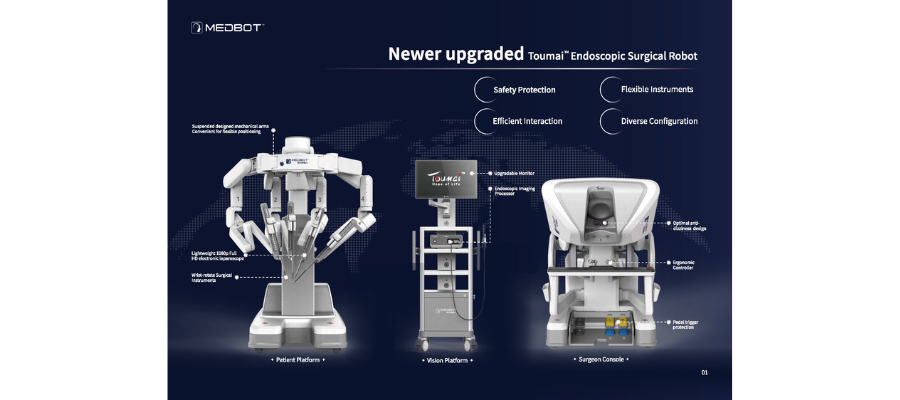
In the operating room, the revolution is defined by precision. Robotic-assisted surgical systems allow for minimally invasive procedures that were once unimaginable. These machines translate a surgeon’s hand movements into micro-movements with pinpoint accuracy, resulting in smaller incisions, less blood loss, and much faster recovery times. Patients who once faced weeks of healing are now returning to their daily lives in a fraction of the time.
Data integration is the final piece of the puzzle. Modern biomedical equipment doesn’t operate in a vacuum; it connects to central networks and Artificial Intelligence (AI) platforms. AI can analyze the massive amounts of data generated by ventilators, infusion pumps, and monitors to identify patterns that the human eye might miss. This leads to personalized treatment plans tailored to a patient’s unique physiology, ensuring the right intervention is delivered at exactly the right moment.
As we look to the future, the role of biomedical equipment will only expand. From 3D-bioprinting of tissues to smart prosthetics that respond to neural signals, the boundary between technology and biology is blurring. By empowering doctors with better data and more precise tools, biomedical equipment isn’t just changing how we treat illness—it is redefining what it means to be healthy. For healthcare providers, investing in these technologies is no longer an option; it is the foundation of modern patient-centered care.